
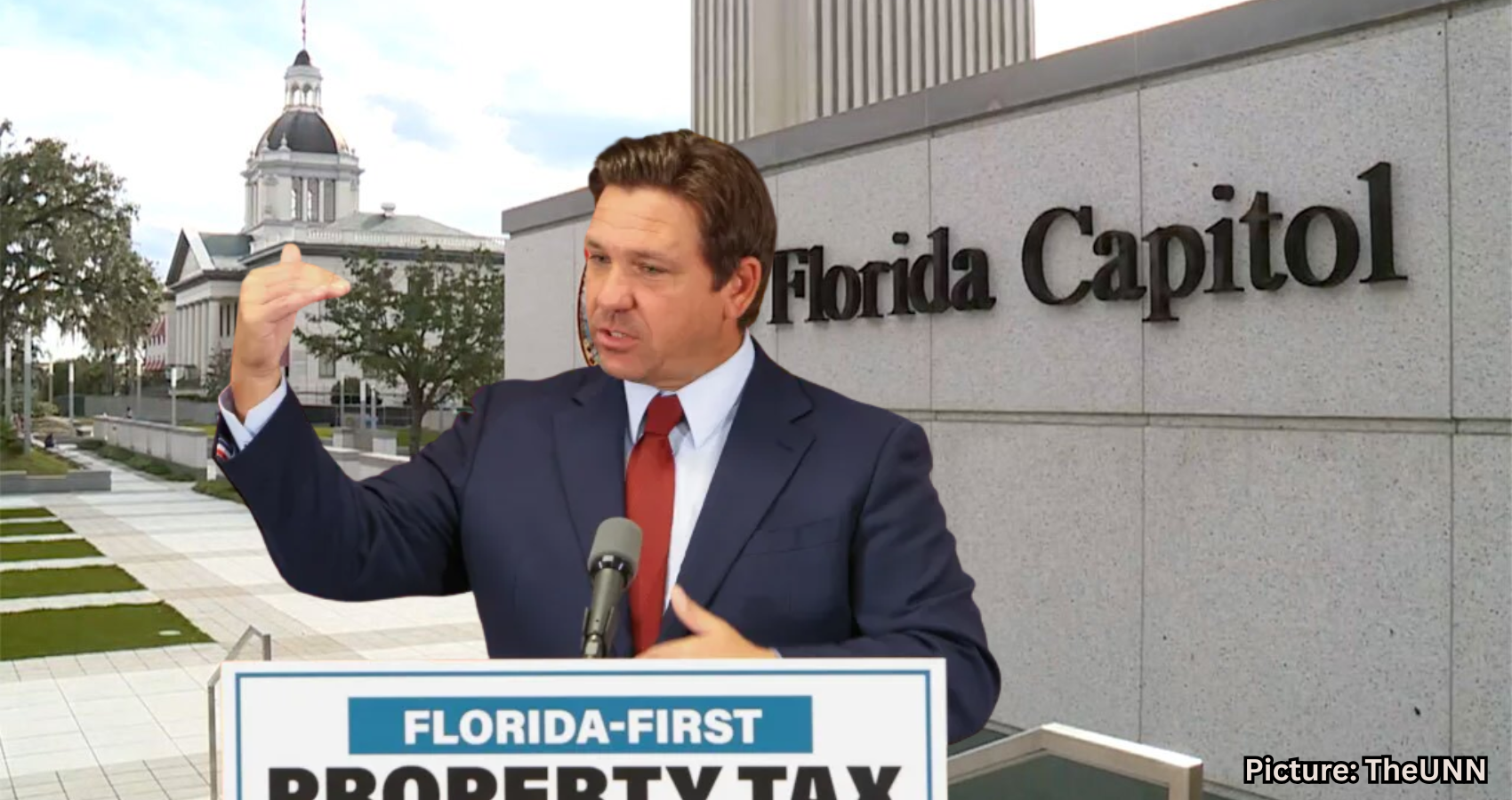
Florida lawmakers have advanced a proposal to eliminate most homestead property taxes, which will be presented to voters in November 2025, pending Senate approval of a similar measure.
Florida lawmakers are making strides toward providing relief for homestead property owners. A proposal that seeks to eliminate most homestead property taxes has successfully cleared the House, with voters set to decide on the measure in November 2025. The Senate has yet to advance a comparable proposal.
House Speaker Daniel Perez, a Republican from Miami, emphasized the House’s commitment to the ongoing property tax discussion. “Although this proposed constitutional amendment stands as the House’s contribution to the property tax conversation, we continue to be open to any of the Senate’s ideas—provided those ideas ever materialize as actions,” he stated during the floor session.
The Republican-controlled House voted 80-30 along party lines in favor of the proposal, known as HJR 203. This measure aims to place a question on the 2026 general election ballot that would eliminate all non-school taxes for properties that qualify for a homestead exemption.
However, not all lawmakers are in favor of the proposal. Representative Robin Bartleman, a Democrat from Weston, expressed concerns about the potential implications of the bill. “This bill does not guarantee that funds will keep pace with future needs,” she warned. “What you’re doing is creating a floor and ceiling so that law enforcement, fire, and corrections will never see a raise, never get new equipment, because there is no money to go around.”
Representative Anna Eskamani, a Democrat from Orlando, echoed similar sentiments, arguing that the proposal could shift the property tax burden onto businesses and renters. “I’m a firm believer in a balanced tax structure that is less regressive, that delivers need-based relief,” Eskamani said. “The reality is that those who make the most money will get the biggest tax break. Those who make less will see less.”
The proposed changes to homestead property taxes in Florida underscore the ongoing challenge of balancing taxpayer relief with the need to fund essential public services. As the measure heads to voters in November 2026, its fate remains uncertain. If approved, the elimination of non-school property taxes could significantly impact local government revenue streams.
This proposal raises critical questions about how tax burdens will be distributed among different groups. The potential shift in property taxes could lead to increased costs for businesses, renters, and individuals without homestead exemptions, although the extent of these effects remains speculative. Additionally, how municipalities will adapt to potential revenue shortfalls—whether through budget cuts, increased fees, or other measures—remains to be seen.
The long-term consequences for state and local fiscal planning are difficult to predict. The interaction between this proposed amendment and future legislative actions or complementary policies could significantly influence outcomes, but these remain unknown. Public perception and political debates surrounding fairness, economic impact, and equity are likely to shape how the measure affects governance and public services.
This proposal illustrates the tension between immediate taxpayer relief and the sustainability of public funding. The broader implications for Florida’s fiscal stability, economic growth, and the quality of public services hinge on voter approval, legislative follow-through, and administrative responses, making the real effects highly uncertain.
Policymakers may face increased pressure to balance competing priorities, and the responses of municipal governments, taxpayers, and the business community are still unclear. The influence of this measure on future discussions regarding taxation, equity, and government funding could shape Florida’s policy landscape for years to come, although the precise effects are yet to be determined.
Public debates and reactions from various stakeholders—including homeowners, renters, businesses, and advocacy groups—will likely affect how the policy is implemented and perceived. This measure may also set precedents for future tax-related ballot initiatives.
As the situation evolves, the implications of this proposal will continue to be a focal point in Florida’s legislative discussions, with significant consequences for the state’s fiscal future.
According to The American Bazaar, the outcome of this proposal could have lasting effects on Florida’s tax structure and public service funding.