
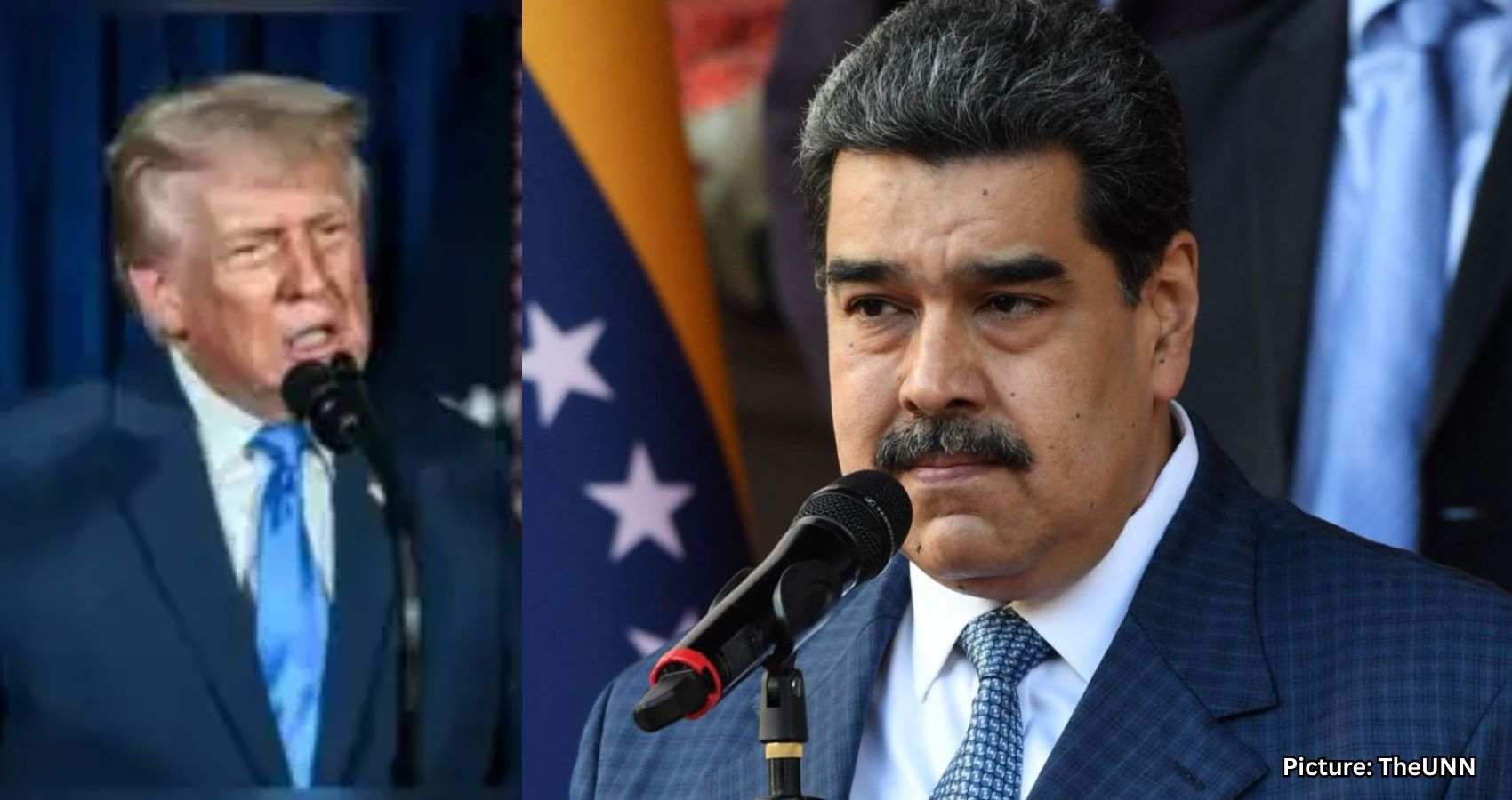
Donald Trump announced that US forces had detained Venezuelan President Nicolás Maduro and his wife, Cilia Flores, and evacuated them from the country. This event follows months of military actions and years of tense relations.
Venezuela, once led by Hugo Chavez and now under the rule of a communist dictator, is rich in oil but plagued by hardship.
Approximately 8 million Venezuelans have left their homeland in search of safety and better opportunities, driven by fears for their lives and the lack of work.
Since this oppressive regime took hold, around 5,700 lives have been tragically lost.
Many people struggle daily without jobs, and their once-vibrant country has become uninhabitable. Those who speak out face danger: some are killed, families are torn apart, and others go missing.
Venezuela has fallen into chaos, controlled by various drug mafias, becoming a major source of illegal drugs flowing into the United States.
It’s heartbreaking to know that over eleven thousand Americans die each year from drug overdoses, often caused by these substances.
Every day, lives are lost on the streets as drugs move freely across borders from Mexico, Canada, and Venezuela.
Despite efforts to curb this crisis, dictator Maduro has defied calls for change. He challenged the United States, saying, “I will be right here waiting for you, if you have the courage.”
In response, President Trump urged Maduro not to destroy his country and offered him the opportunity to seek refuge elsewhere, acknowledging the suffering caused by poverty.
Maduro’s journey from a bus driver to the country’s dictator highlights how fragile democracy can be, especially when weakened by oppressive regimes.
Venezuela’s situation is a stark reminder of how a wealthy nation can decline into poverty and despair under weak governance—a tragic contrast to the prosperity of neighboring Gulf countries.
President Trump has called on the 8 million who fled Venezuela to consider returning, promising that the country’s oil reserves could be managed in ways that truly benefit its people.
This painful history offers important lessons to those in power—about the destructive nature of dictatorship and the resilience of ordinary citizens seeking freedom and a better life.