
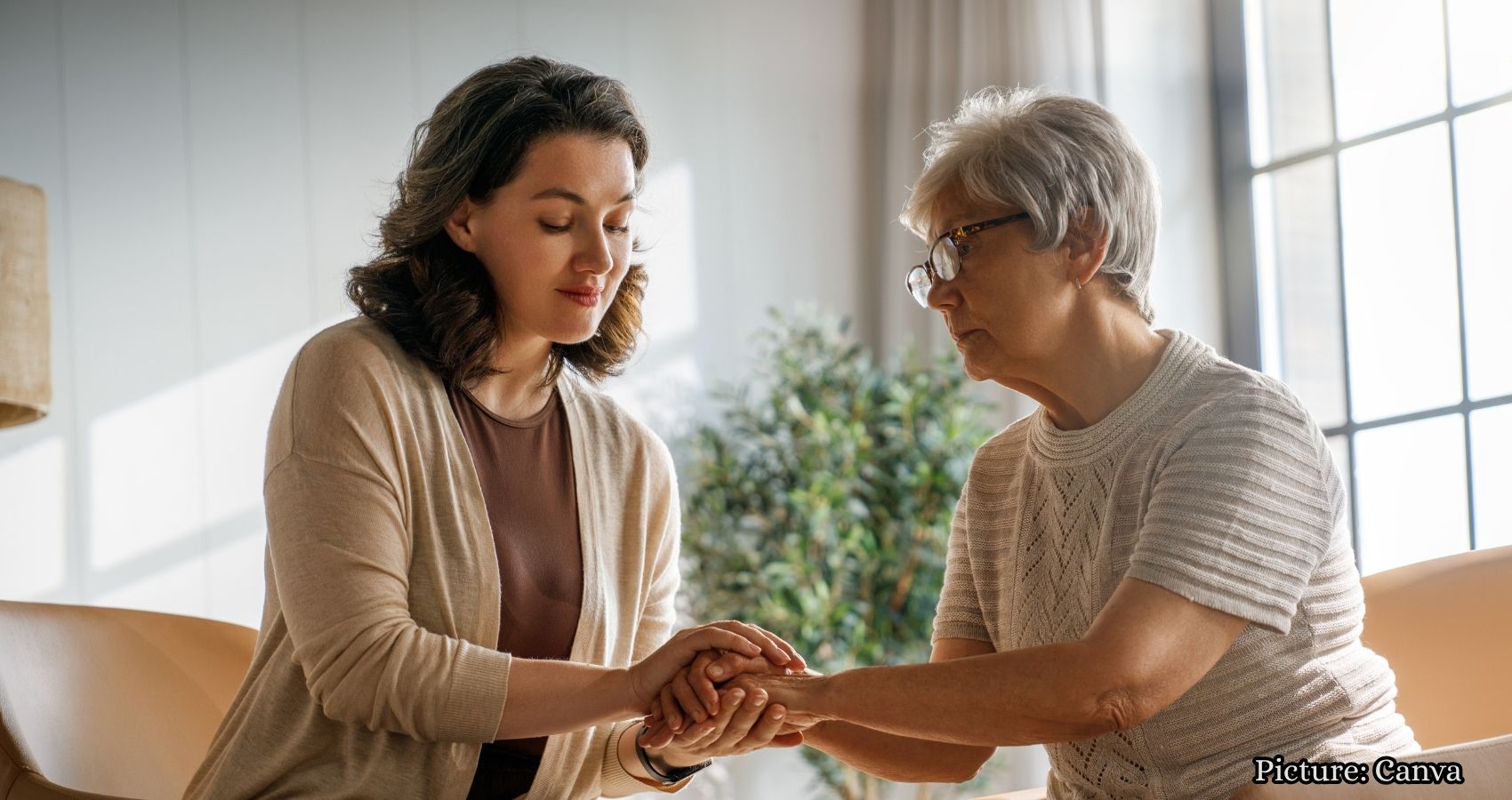
Sonia Basuroy’s journey as a caregiver reveals the challenges faced by the sandwich generation, balancing the needs of aging parents and children while navigating a complex healthcare system.
Sonia Basuroy vividly recalls a pivotal conversation with her 80-year-old father in 2018. He called to express that he could no longer care for her ailing mother, leading to the decision that they would move in with Sonia and her family. “I was blindsided,” she admitted, but she did not hesitate to agree. “If that’s what we need to do, then we’ll do it. I didn’t really think about the logistics or anything. I didn’t think it through.”
This decision thrust Sonia into the demanding role of a full-time caregiver, a journey that began long before her parents moved in with her. As caregiving responsibilities intensified, Sonia found herself grappling with the emotional and physical burdens that accompany the sandwich generation—a term used to describe individuals caring for both their children and aging parents.
At the heart of Sonia’s caregiving experience was the struggle to find reliable, culturally competent support within a healthcare system that often overlooks the needs of an aging immigrant population. “Being in the Bay Area, I was a little frustrated that we didn’t have more South Asian-focused help for the elderly,” she said. “It’s pretty heartbreaking. The South Asian demographic here is so high, and yet it’s very difficult to find relevant resources.”
As the eldest sibling, Sonia naturally assumed the role of caretaker for her parents. Having moved to San Bruno, California, from England at the age of ten, she has always lived close to her family. “I’ve never been farther than about 30 to 45 minutes from my parents, and I’ve always been their number one resource, go-to person,” she explained.
Her first encounter with intense caregiving came a decade ago when her mother suffered an uncommon case of shingles that temporarily left her disabled, experiencing severe nerve pain and dementia-like symptoms. Although her mother eventually recovered, the experience marked Sonia’s initial foray into long-term caregiving.
At the time, Sonia was a full-time healthcare professional raising teenagers. For the first two weeks of her mother’s illness, she stayed overnight at her parents’ home, managing her mother’s incontinence. “She couldn’t remember how to walk or where her bathroom was,” Sonia recalled. Her parents had previously helped raise her children while she worked, making it a natural decision for Sonia to reciprocate their care. “If they needed my help, I was there.”
However, the reality of caring for three generations soon became overwhelming. “It was the first time I ever experienced having to hire a caregiver,” Sonia said. Initially, she sought help from agencies recommended by the hospital but found them prohibitively expensive. Eventually, they hired a Filipino caregiver referred by a relative, who worked tirelessly to meet the needs of Sonia’s exacting parents.
Over the next six months, Sonia managed her mother’s follow-up visits to the doctor and coordinated care from home health nurses and therapists. Her mother’s health continued to decline, leading to frequent emergency room visits, which took a toll on her father. Eventually, when her parents could no longer live independently, her father requested to move in with Sonia.
After the move, Sonia and her husband realized their home could no longer accommodate their expanded family. In 2018, they relocated to a multi-generational house in Newark. “We were just no longer a family of four,” Sonia remarked.
According to the U.S. Census Bureau, there are an estimated 63 million family caregivers in the United States, with about 30 percent of them belonging to the sandwich generation. The challenges faced by the Indian community in caregiving are a microcosm of the broader American experience, complicated by socio-cultural expectations.
For several years, Sonia continued to care for her parents through her mother’s multiple falls, hospitalizations, and hospice care. By 2024, her mother had been hospitalized about eight times, earning the nickname “frequent flyer” from her doctors. After being diagnosed with end-stage kidney disease, Sonia brought her mother home for hospice care, despite her initial resistance to the idea. “When she realized she was on hospice, she was very upset,” Sonia recalled. “She thought I was pushing her to die.”
While Medicare covered hospice and home health visits, the financial burden of caregiving fell on Sonia and her husband. The first month of hospice care cost an astonishing $6,000, prompting Sonia to seek additional help. After a lengthy and painful process, she qualified for California’s In-Home Supportive Services (IHSS) program, earning $19.50 an hour for 48 hours a week for her mother and 28 hours for her father. However, this program did not cover the round-the-clock care her mother required.
“You can’t pay me enough for this,” Sonia stated, highlighting the emotional toll of caregiving. She turned to neighborhood apps to find additional help and eventually discovered two local caregivers of Indian origin.
As the demands of caregiving mounted, Sonia faced burnout, balancing her responsibilities with her own health issues and a demanding job. Ultimately, she decided to leave her career behind, realizing she could no longer manage the stress. “I just couldn’t handle it anymore,” she said.
After her mother’s passing earlier this year, Sonia became her father’s primary caregiver, who is now under palliative care. Observing a decline in her father’s mental health, Sonia expressed concern over the medications he was prescribed, advocating for more comfort care instead.
Despite living outside India for over 60 years, Sonia’s parents remained deeply rooted in their cultural traditions, including dietary preferences and familial expectations. “They want a specific type of person, someone who understands them,” Sonia explained, emphasizing the importance of cultural competence in caregiving.
Feeling isolated in her struggles, Sonia sought support from online communities and eventually found solace in Desi Daughters, a resource hub for South Asians caring for elderly parents. “Culturally, it felt safe,” she said, noting that discussions about caregiving challenges are often stigmatized.
As a member of Desi Daughters, Sonia transitioned from a consultant role to the director of community engagement, where she leads focus groups on caregiving issues. She now volunteers as the head of the Bay Area chapter, which has grown to 60 members.
In her new career as a personal trainer, Sonia aims to create a supportive environment for the South Asian community, particularly women. However, she continues to face challenges, including managing her father’s medical emergencies while building her business.
Reflecting on her decade of caregiving, Sonia believes that elder care should be viewed as a community responsibility. “I’m not talking about just paid caregivers,” she asserted. “We need a solid team that can support families at home.”
Sonia advocates for a public-private partnership to address the caregiving crisis, emphasizing the need for government-funded programs that accept Medicare and Medicaid. “We’ve got to think about the bigger picture,” she concluded, underscoring the importance of community support in alleviating the burdens faced by caregivers.
According to India Currents, Sonia’s story is a poignant reminder of the challenges faced by the sandwich generation and the urgent need for culturally competent caregiving resources.