
According to a report by Al Jazeera, Venezuela possesses substantial crude oil reserves, often referred to as ‘black gold.’ As of 2023, estimates indicate the country holds approximately 303 billion barrels of crude oil, surpassing major producers such as Saudi Arabia (267.2 billion barrels), Iran, and Canada.
In comparison, the United States has about 55 billion barrels of crude oil reserves, which is roughly one-fifth of Venezuela’s total. Despite its vast reserves, Venezuela remains in a state of persistent economic hardship, with many citizens struggling to fulfill basic needs. The country’s oil export revenues are significantly lower than those of the US, generating only around one-fifth of what the US earns.
Several factors influence Venezuela’s ability to effectively utilize its natural resources. Geographical and technological challenges are notable; the most substantial reserves are located in the ‘Orinoco Belt’ in the eastern part of the country. This region contains high-grade crude oil that is more complex to extract and refine compared to conventional oil.
Processing this high-sulfur crude requires advanced technology and substantial investment, which has affected its market value, often resulting in lower international prices. Additionally, issues related to domestic management and policy decisions have been highlighted as contributing factors to the country’s underutilization of its rich oil resources.
In recent developments, India’s investment interests in Venezuela are gaining attention. According to reports, India’s ONGC Videsh Limited could recover approximately $1 billion in pending payments amidst tightening US restrictions.
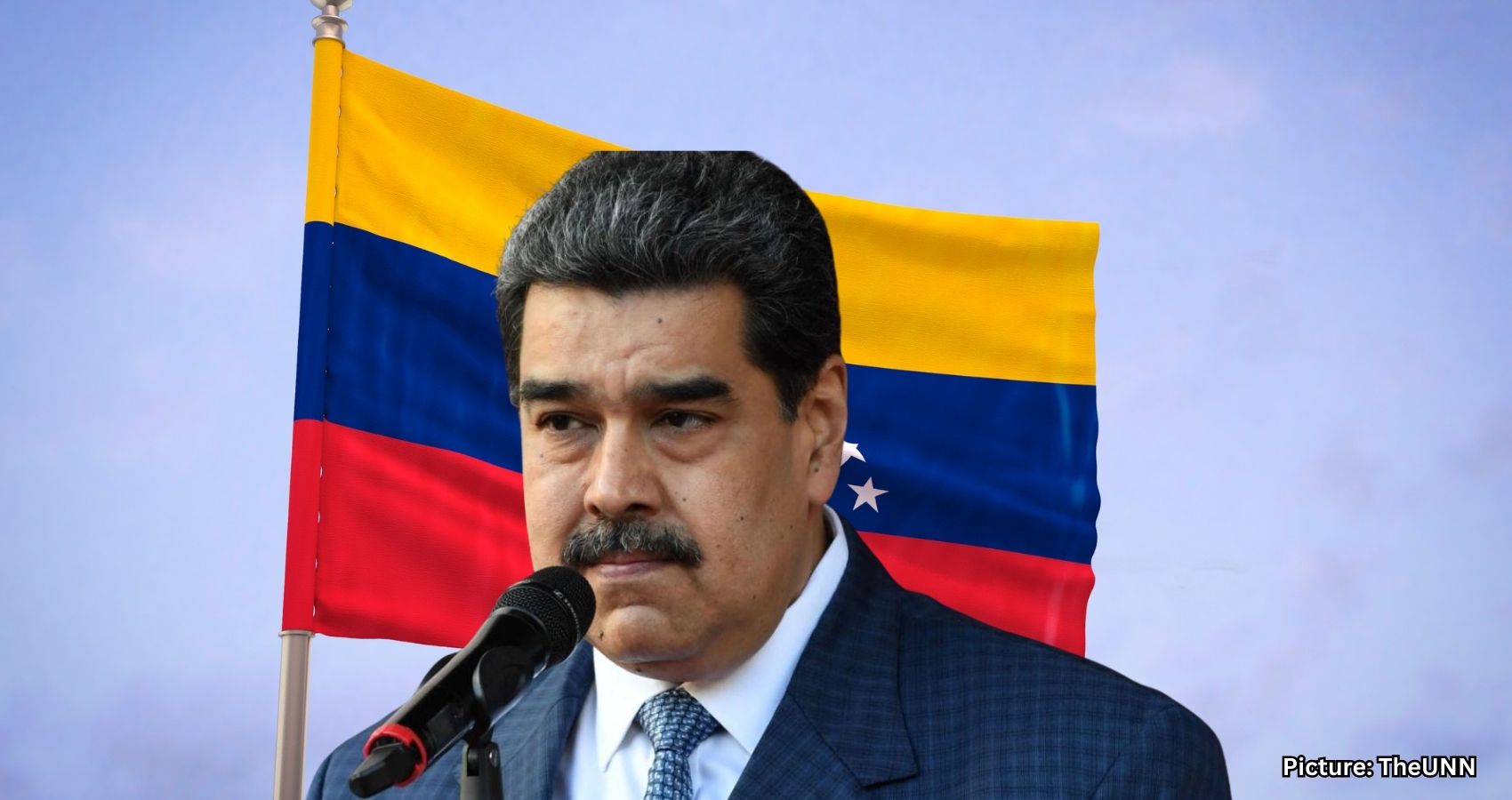
Maduro has been Venezuela’s president since 2013, accused of election rigging, human rights abuses, and causing food shortages and economic collapse. In 2024, he won a third term, but many nations, including the U.S. and Canada, questioned the results amid accusations of fraud. Thousands of him accused of fraud were jailed. A UN report found evidence of serious human rights violations and crimes against humanity by the government. The Trump administration claimed the invasion was to hold Maduro accountable for running a corrupt, illegitimate government involved in drug trafficking that flooded the U.S. with cocaine.
The capture of the Maduros marks a peak in longstanding U.S.-Venezuela tensions dating back to 1998, with Hugo Chavez’s anti-U.S. stance and ties to Cuba, Iran, and Russia. After Chavez’s death in 2013, Nicolás Maduro became more hostile. Tensions escalated in September 2025 when the Trump administration started targeted boat strikes against vessels suspected of smuggling drugs into the U.S.
Following recent US airstrikes on Caracas and accusations leveled against Venezuela concerning refugee flows, drug trafficking, and narco-terrorism, there is a complex geopolitical context to consider. These circumstances may present both challenges and opportunities for stakeholder engagement and investment.