
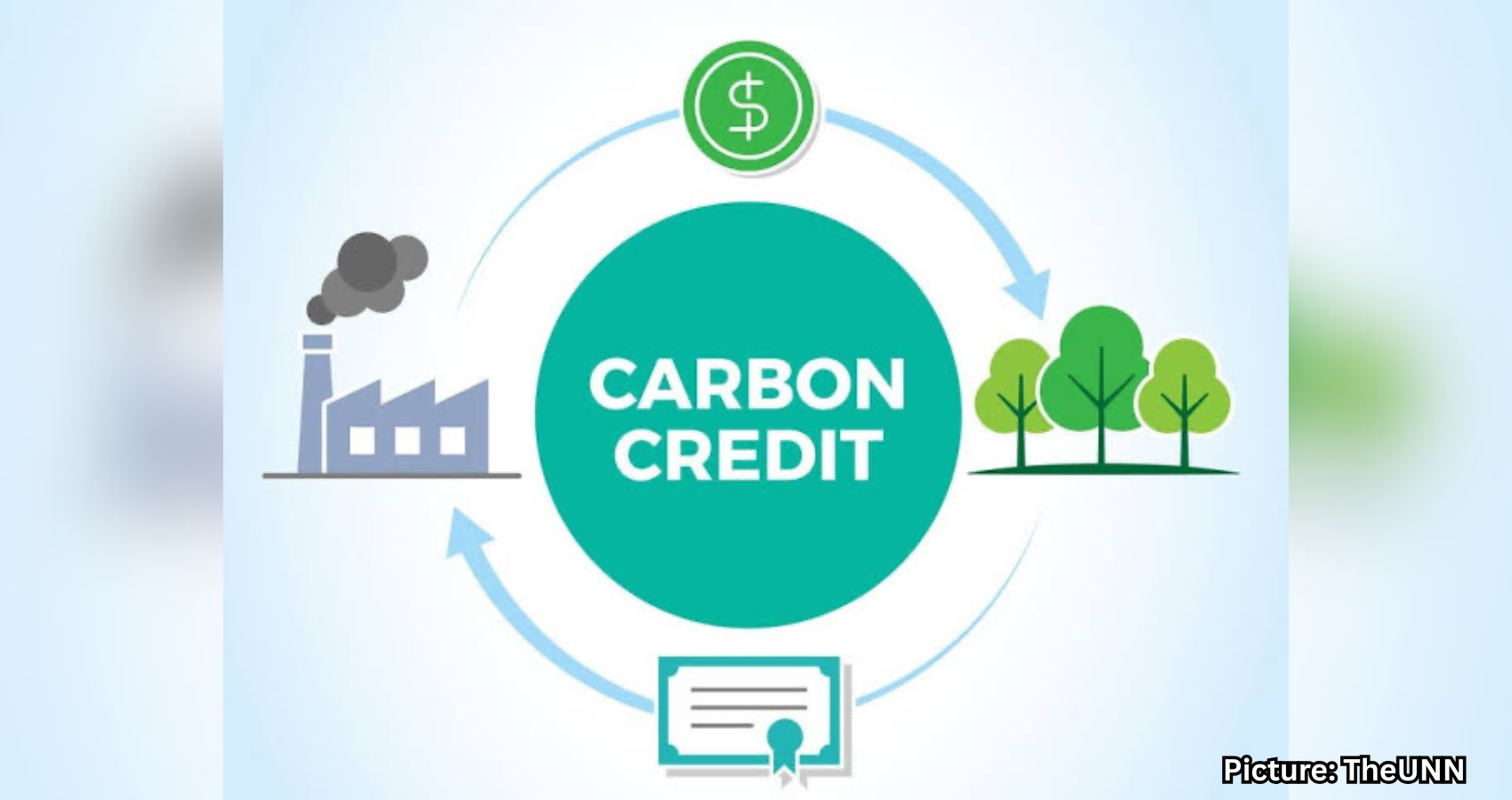
 Carbon credits have emerged as a key instrument in global efforts to reduce greenhouse gas emissions, offering a market-based mechanism to incentivize climate action among businesses and governments.
A carbon credit is essentially a tradable certificate that grants the holder the right to emit one metric ton of carbon dioxide or its equivalent in other greenhouse gases (CO₂e). By placing a financial value on emissions, the system encourages polluters to cut back while rewarding those who operate more sustainably.
How the System Works
At the heart of carbon trading lies the widely adopted “cap-and-trade” model. Under this system, regulatory authorities impose a cap on the total volume of emissions permitted within a specific sector or region. Companies are allocated emission allowances within this limit.
Firms that emit less than their allotted quota can sell surplus credits to those exceeding their limits, creating a financial incentive for efficiency. Once a carbon credit is used to offset emissions, it is permanently removed—or “retired”—from circulation, ensuring it cannot be reused.
Two Types of Carbon Markets
Carbon trading operates across two primary markets:
- Compliance Markets: These are mandatory systems enforced by governments. Notable examples include the EU Emissions Trading System and California’s state-level cap-and-trade program.
-
Voluntary Markets: These allow companies and individuals to purchase credits voluntarily to meet sustainability targets, such as achieving net-zero emissions. Such markets often fund environmentally beneficial initiatives like forest conservation and renewable energy projects.
Sources of Carbon Credits
Carbon credits are generated through projects that either reduce or remove emissions:
- Avoidance or Reduction Projects: These initiatives prevent future emissions, such as replacing coal-fired power plants with renewable energy sources or preserving forests under programs like REDD+.
-
Removal or Sequestration Projects: These actively extract carbon dioxide from the atmosphere. Common examples include reforestation efforts and emerging technologies like Direct Air Capture (DAC).
Ensuring Credibility
The effectiveness of carbon credits depends heavily on their integrity. Independent organizations such as Verra and Gold Standard play a crucial role in verifying projects.
To be eligible for carbon credits, the project must meet strict criteria:
- Additionality: The project must deliver emission reductions that would not have occurred without carbon credit funding.
- Permanence: The benefits must be long-lasting and not easily reversed.
-
No Leakage: Emission reductions in one area should not trigger increases elsewhere.
A Growing Climate Instrument
As global pressure mounts to address climate change, carbon credits are gaining prominence as both a regulatory challenge and a voluntary pathway for climate responsibility. While challenges around transparency and effectiveness remain, the system continues to evolve as a cornerstone of international environmental policy.
Announcing the launch of the new platform, Union Power Minister Manohar Lal also revealed that formal carbon credit trading on the portal will begin within the next four months.