
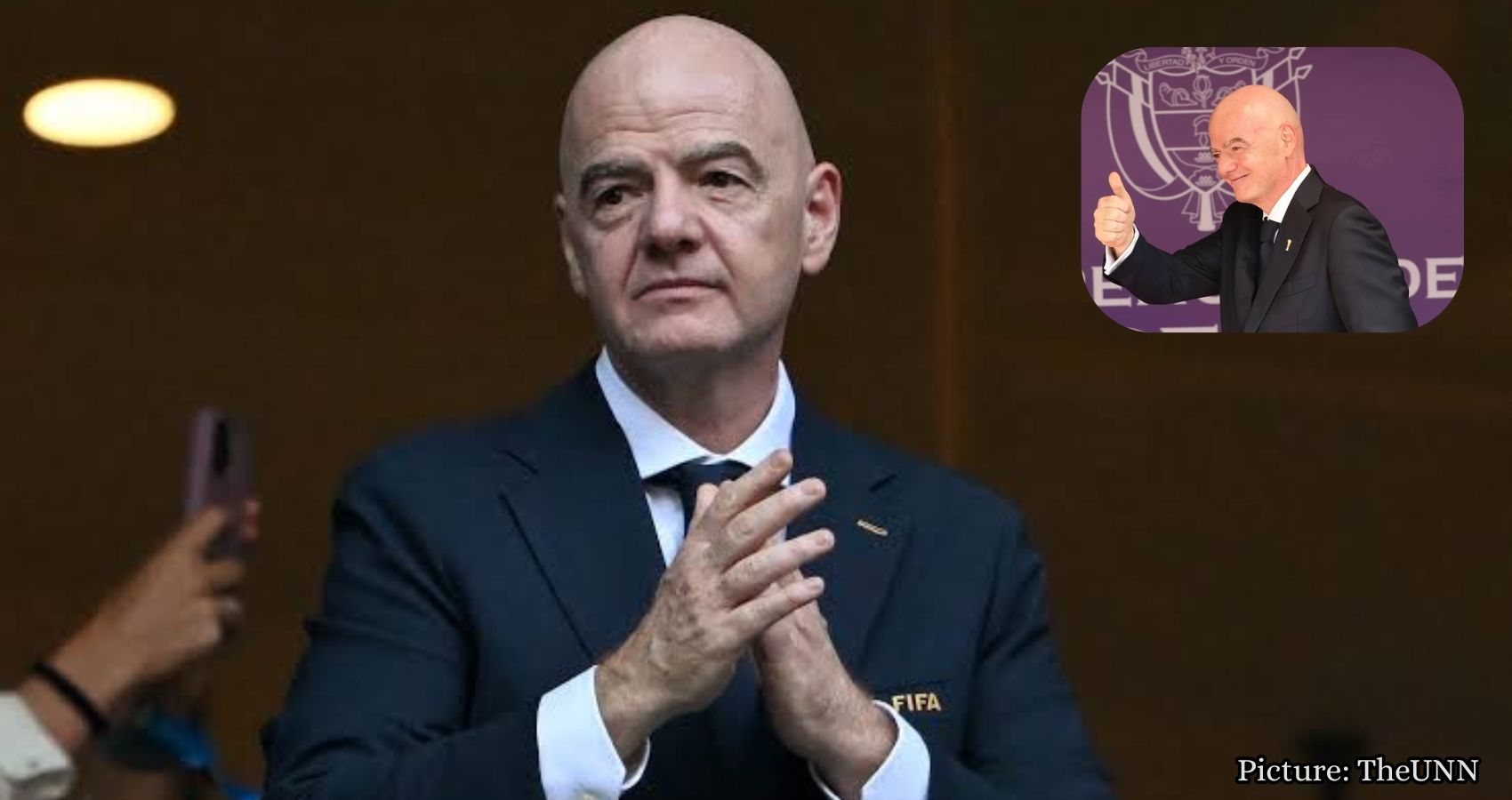
UEFA, AFC, and CONCACAF have publicly criticized FIFA President Gianni Infantino, accusing him of breaking trust and demanding an independent review of his leadership following a controversial commercial rights proposal.
In a significant escalation of tensions within the football community, UEFA, the Asian Football Confederation (AFC), and CONCACAF have united in their criticism of FIFA President Gianni Infantino. The confederations have accused Infantino of breaking trust with the football family over his now-abandoned plan to sell a stake in the World Cup’s commercial rights.
The three confederations have stopped short of directly calling for Infantino’s resignation, but their statements indicate a growing dissatisfaction with his leadership style. They argue that his actions have placed him above the collective interests of the sport, emphasizing the need for football to be governed in a manner that prioritizes the game over individual power.
In a joint statement, UEFA, AFC, and CONCACAF expressed their concerns, stating that Infantino had breached trust “through deception” regarding the controversial proposal. They called for a fully independent review to investigate the circumstances surrounding the decision, which was ultimately scrapped.
“Football’s strength has always been its unity,” the open letter to the football community stated. “We call for that unity to be honoured now, for leadership that serves football, not seeks to command it.”
The fallout from Infantino’s proposal, which aimed to sell 20% of the World Cup’s commercial rights to private investors for approximately $4.2 billion, has led to a significant backlash. The Swiss administrator has faced increasing pressure from various factions within the football world, with many questioning his ability to lead effectively.
In their statement, the confederations highlighted that “leadership in football is not a possession.” They stressed that it is a duty of service to the football family, which has entrusted leaders with authority. “When trust is broken through deception, when an individual places himself above the collective that entrusted him with authority, that duty has been abandoned,” they asserted.
The criticisms have intensified following a FIFA emergency meeting held in Morocco, where the confederations noted that only one elected official was present. They reiterated their call for an independent review, emphasizing that FIFA should not have any role in determining the events that led to this “profound failure of judgment.”
Norwegian Football Federation President Lise Klaveness, a vocal critic of Infantino and a potential candidate to succeed him, has called for his immediate resignation. Klaveness has been an outspoken advocate for transparency and accountability in football governance.
Despite the mounting criticism, FIFA has attempted to rally support for Infantino. Following the emergency meeting, FIFA issued an apology to its 211 member federations, and Infantino sought to consolidate his backing among the six confederations that comprise the global governing body.
In a show of support for Infantino, Africa’s confederation, CAF, released a statement backing him, as did CONCACAF member Mexico and several South American nations, including Argentina, Paraguay, Ecuador, and Bolivia.
However, the situation remains precarious for Infantino. As he attended the inauguration of Colombia’s new president, Abelardo De La Espriella, FIFA issued a strong rebuttal against his critics. The governing body warned of a “concerted and ongoing effort” to undermine Infantino’s leadership, asserting that any challenges to his position must adhere to FIFA’s statutes and democratic procedures.
FIFA’s statement followed reports from The Daily Telegraph regarding payments made by UEFA to a former employee during Infantino’s tenure as general secretary, allegations that Infantino has denied and that FIFA has dismissed as unfounded.
As the situation unfolds, nearly 70 of FIFA’s 211 member associations have publicly stated their intention to support Infantino, while around a dozen have either withdrawn their support or indicated they will not vote for him in future elections. Despite the dissent from UEFA and other confederations, there remains a lack of complete unity among those opposing Infantino, with several Asian nations and Mexico still backing him.
The growing discontent surrounding Infantino’s leadership raises questions about the future of FIFA and the direction of football governance. As calls for accountability and transparency increase, the football community watches closely to see how this situation will develop.
According to Reuters, the ongoing tensions illustrate a critical moment in football governance, with the potential for significant changes on the horizon.